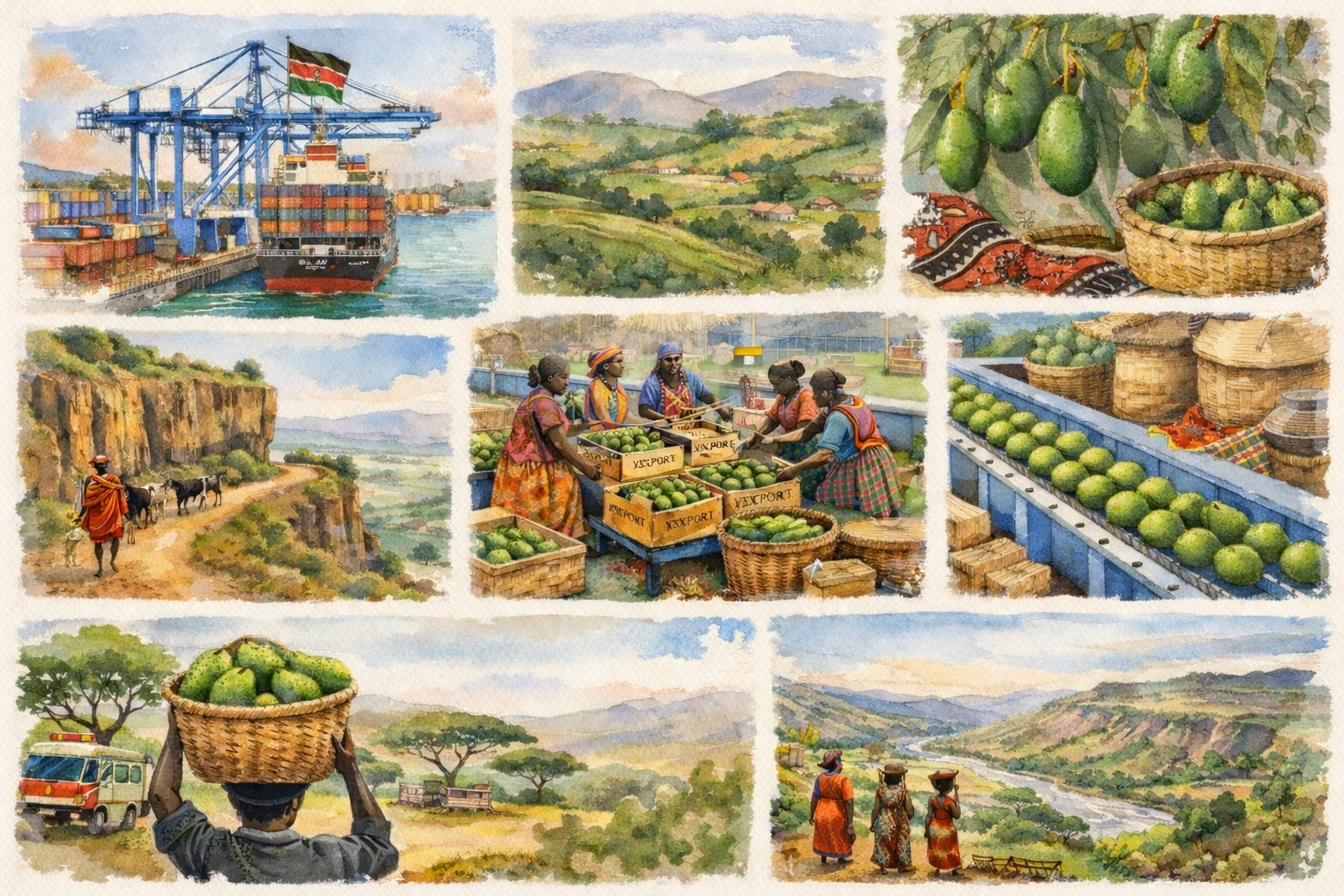
Kenya Rift Valley farmland
Nairobi, Kenya

Export Compliance Training and Advisory

Clean Cut Exports Ltd prepares Kenya's horticulture export chain to meet the standards its buyers and regulators require: KS 1758, GLOBALG.A.P., BRCGS, safe use of pesticides, pest management, post-harvest handling and export preparedness. We train farmers, exporter staff and farm and packhouse teams, then stay on to help them get certified.

Who We Are

Compliance Is the Gate to Every Export Market

Kenya grows produce the world wants. What keeps it out of the best markets is rarely the fruit. It is a missing certificate, an unrecorded spray, a farm register that will not survive an audit, or paperwork that stops a consignment at the border.

Clean Cut Exports Ltd exists to close that gap. We train the people who do the work: spray operators, field staff, farm managers, packhouse teams, exporter compliance officers. We also advise the organisations that employ them through certification, licensing and documentation.

We are not a certification body and we do not audit. We prepare you for the body that does.

About Us
Kenyan highland farmland
What We Do

Four Lines of Work

Training is where most clients start. Consulting, software and export services follow from the same relationship.

Training

Scheduled and on-site courses for farmers and technical staff across KS 1758, GLOBALG.A.P. IFA v6 Smart, BRCGS Issue 9, safe use of pesticides, pest management, post-harvest handling and export preparedness, for fruits, vegetables, herbs and spices, and flowers. One-day awareness courses through five-day advanced programmes.

See courses →

Consulting

Certification support for single farms and farmer groups, regulatory licensing, export documentation, and advisory on the commercial side of getting a consignment out the door.

See services →

Compliance Software

Traceability and training-record systems built for how work actually happens in the field: offline first, low-cost devices, and records structured to satisfy an auditor rather than a spreadsheet.

See the platform →

Exports

Our own avocado export programme: sourcing from Kenyan growers, packing to export specification, and shipping to buyers in Europe, the Middle East and Asia.

See the programme →
Courses

What We Teach

More than 40 courses, from one-day farmer awareness classes to five-day auditor programmes, for fruits, vegetables, herbs and spices, and flowers. Classes open for registration on the training portal as the 2027 schedule is posted, and can be run at your site or at a venue we arrange.

E01

Export Preparedness

Target markets and their requirements, export licences, documents, packaging and labelling, logistics, costing and contracts: one day to start or renew exporting.

Export1 day
For: new and aspiring exporters, aggregators, farmer groups, exporters renewing licences
K01 · K02

KS 1758 Awareness and Implementation

Part 2 for fruits and vegetables and Part 1 for flowers and ornamentals: the four pillars, implementation, scheme rules and the certification route.

Awareness 1 dayIntermediate 3 days
For: farmers, county officers, agro-dealers, trainers, farm managers
G01 to G04

GLOBALG.A.P. IFA v6 Smart

Awareness, implementation, internal auditor and refresher courses, from control points and documentation to mock audits and producer group requirements.

1 to 5 days
For: farm and group managers, QA, internal auditors, certified producers
C07 · C08 · A02 to F14

Safe Use and Pest Management

Safe use of plant protection products, integrated pest management, and crop pest courses for avocado, mango, vegetables, herbs and spices, and flowers.

1 to 5 days
For: farmers, spray operators, scouts, agronomists, extension officers
C10 · B01 to B08

Food Safety, BRCGS and HACCP

Hygiene and contamination control on the farm and in the packhouse, BRCGS Issue 9 requirements, HACCP, food safety culture and internal auditing.

1 to 5 days
For: packhouse staff, supervisors, QA/QC, technical managers
A01 · A04 · F01 · F04

Crops, Post-Harvest and Cold Chain

Avocado and mango production, harvest and handling, cold chain, packhouse practice and loss reduction.

1 to 5 days
For: orchard managers, aggregators, transporters, packhouse teams
Full Course Catalogue

GLOBALG.A.P.

IFA v6 Smart: awareness, implementation, internal auditor and refresher courses.

KS 1758

The Kenyan horticulture code of practice: Part 2 for fruits and vegetables, Part 1 for flowers and ornamentals.

PCPB / Safe Use

Pesticide handling and application competence, a direct export licence requirement.

KEPHIS & AFA-HCD

Farm registration, phytosanitary certification and horticulture licensing.

Aerial view of farmland
Training Portal

Your Training Record, Held by You

A worker who changes employer should not lose the training they have already done. The Clean Cut training portal is live: trainees sign in and retrieve their own records and certificates directly, with no email requests, no lost certificates.

  • Trainees retrieve their own attendance history and certificates
  • Employers receive audit-ready record sets for the staff they sponsor. Planned: NITA levy-reimbursement packs, once our NITA accreditation is issued
  • Any certificate can be verified by its number, without contacting us
Sign In to the Portal Portal Details
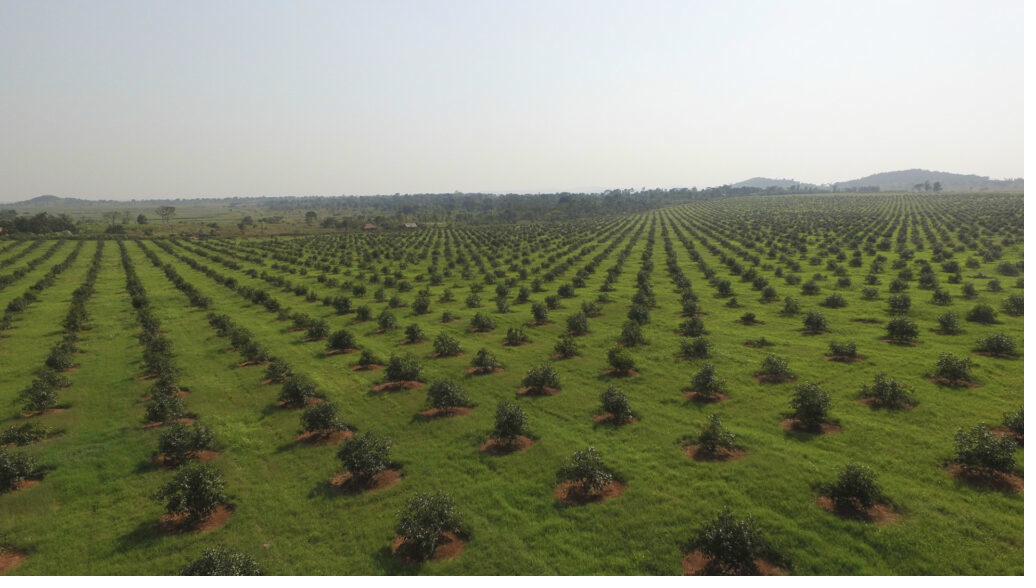
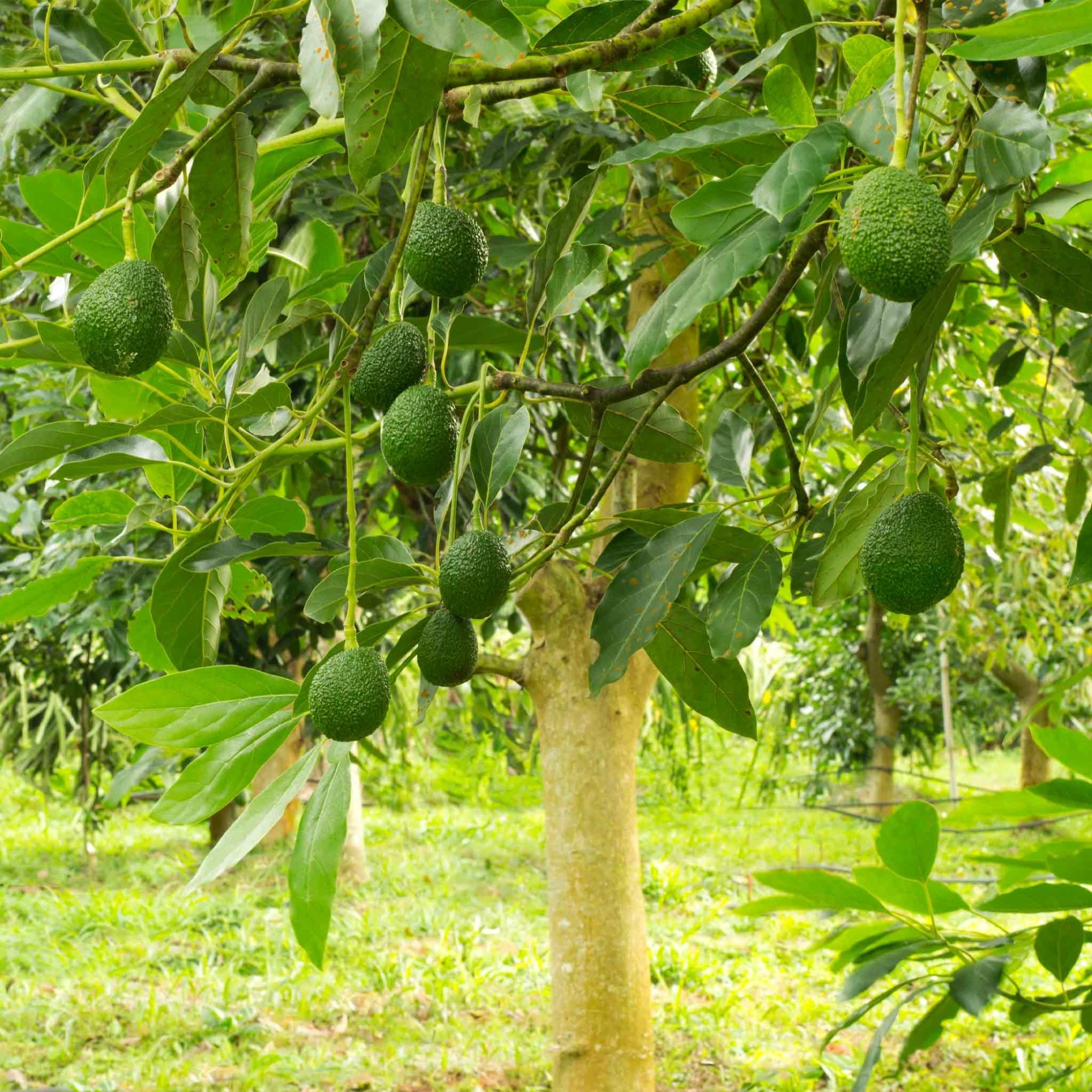
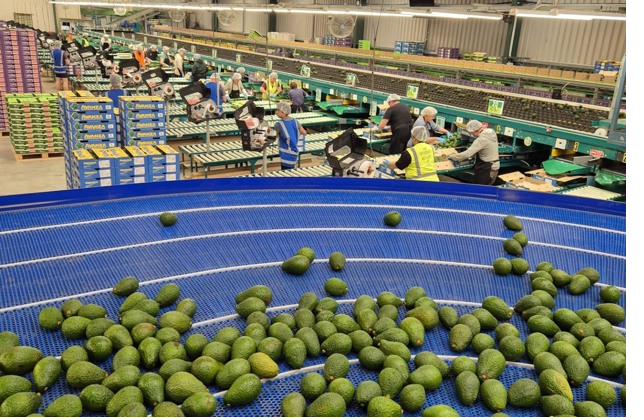
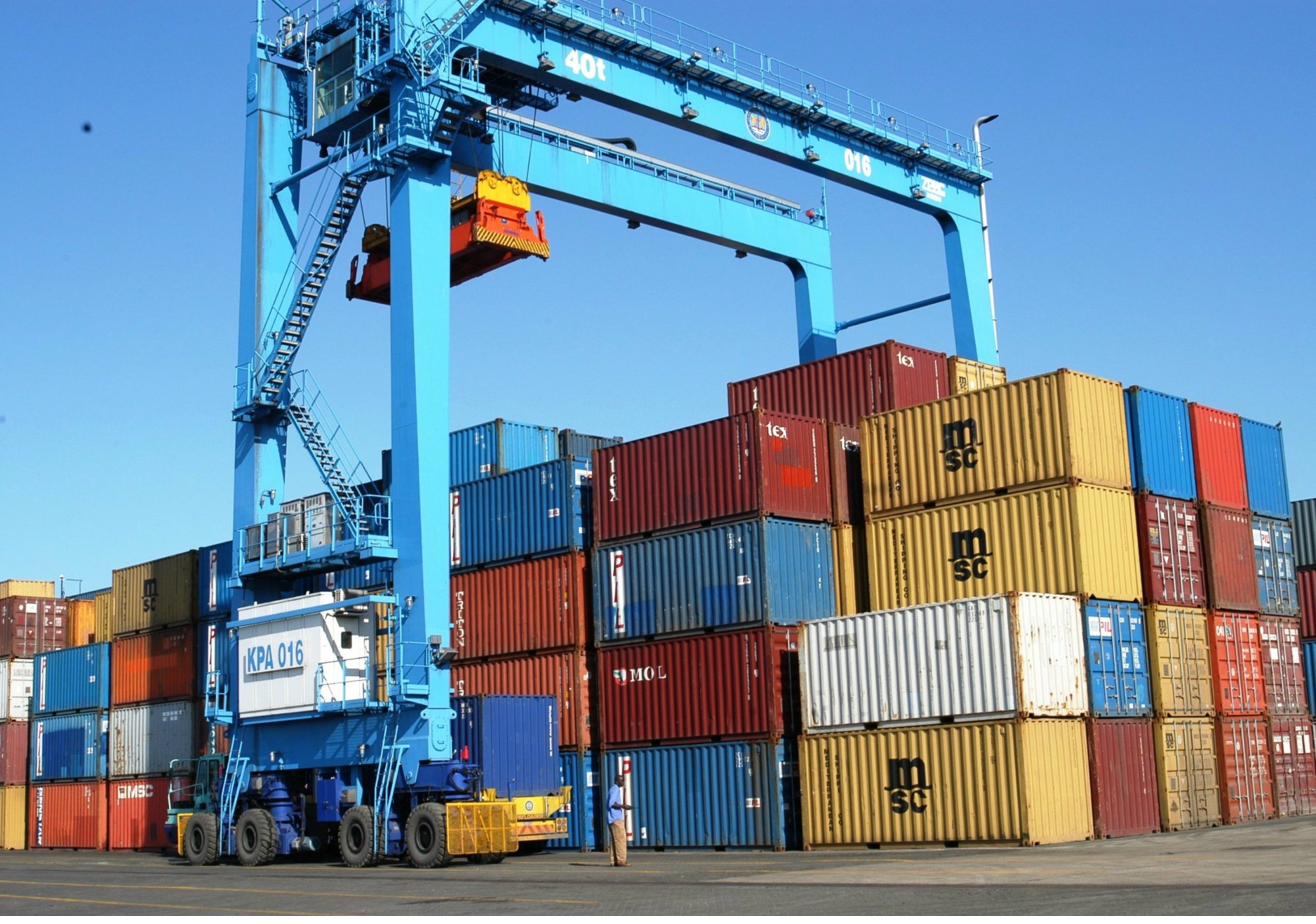
Avocado orchard Packhouse operations Aerial view of plantation rows Container terminal at the Port of Mombasa

Ready to Work With Us?

Whether you need a class scheduled, help getting certified, or a supplier you can count on, we want to hear from you.

Contact Us
Training

Courses That Hold Up in an Audit

Practical, standards-based training for the people who have to produce the evidence: farmers, spray operators, field staff, farm managers, packhouse teams, QA officers and exporters.

Who It Is For

Training From the Farm to the Export Shipment

Clean Cut trains people at every point in Kenya's horticulture export chain, from a farm deciding how to meet a buyer's requirements to an exporter renewing a licence or defending an audit. Whether you are an experienced professional keeping your skills and records current, a farm protecting its market access and income, or someone starting out in agricultural exports, there is a course pitched at your level. Courses are built around the standards buyers, auditors and regulators actually check, and are delivered by experienced trainers, with specialist partners where a subject calls for one.

Exporters and Packhouses

Start, renew or protect an export business. Export Preparedness covers target markets, licences, documents, logistics, costing and contracts. KS 1758 and GLOBALG.A.P. implementation prepare your compliance team and your supply base; BRCGS, HACCP and food safety courses prepare the packhouse; internal auditing and market compliance courses keep the system audit-ready; and safe-use training covers the field staff your export licence depends on. Register staff, or a group of your growers, on one invoice.

A typical path: Export Preparedness, then KS 1758 or GLOBALG.A.P. implementation, then market compliance.

Farmers and Farmer Groups

One-day awareness courses held in the production counties: good agricultural practices, safe use of plant protection products, farm records and traceability, and environmental care, plus crop courses for avocado, mango, vegetables, herbs and spices. Practical, in plain language, and aimed at what buyers ask farms to show.

Industry Professionals

Agronomists, extension officers, QA and QC staff, internal auditors, spray service providers and farm and packhouse managers. Intermediate and advanced courses, implementation programmes and yearly refreshers keep your knowledge, systems and records current as standards change.

New to Agricultural Export

If you are starting out as a new exporter, an aggregator or a farmer group moving into export, begin with the one-day Export Preparedness course and an awareness course in the standard your market requires. You can move up through the levels as your business grows.

How It Works

Two Tracks, Four Levels

Training runs on two tracks. The farmer track is one-day awareness courses for smallholder and commercial farmers and farmer group leaders, held in the production counties. The technical track is for the people who run and audit the chain: exporters and their compliance teams, packhouse managers and QA/QC staff, agronomists, extension officers, spray service providers and internal auditors. It runs at four levels. Exporters also have a course of their own, Export Preparedness.

Awareness (1 day) introduces a standard or topic, why it matters and who does what. Refresher (1 day) updates people on changes, audit findings and recurring gaps, and is suggested yearly. Intermediate (3 days) equips people to implement the requirements on the farm, in the packhouse or in a group quality system. Advanced (5 days or more) builds internal auditors, system owners and trainers. Export Preparedness is a one-day course of its own.

A scheduled class goes ahead once 25 participants have registered and closes at 50. Every training day is at least 8 hours. We also deliver on-site where a client has a group large enough to fill a class. Contact us for a quotation.

Mature orchard
Farmer Track

One-Day Courses for Farmers

Awareness courses are held in the main production counties. Kericho, Embu, Bomet and Kakamega are target locations, alongside Murang'a, Nyeri, Meru, Kirinyaga, Nanyuki, Nakuru, Naivasha, Eldoret, Kitale, Kisii, Machakos, Makueni and the coast. Each course is one day.

For Every Grower

  • Good Agricultural Practices in fresh produce value chains
  • Safe use of plant protection products
  • Farm records, traceability and basic risk assessment
  • Environmental management and sustainable production
  • GLOBALG.A.P. IFA v6 Smart awareness
  • KS 1758 Part 2 awareness
  • Food loss and waste reduction

By Crop

  • Avocado: orchard management, Persea mite, false codling moth, harvest and post-harvest handling
  • Mango: mealybug management, and production, fruit fly management and post-harvest
  • Pest management in vegetables, and in herbs and spices
  • Herbs and spices export production and post-harvest
Technical Track

Course Catalogue

Awareness, intermediate and advanced levels run at 1, 3 and 5 days where a course has them; some courses are awareness only. Refreshers are one day. Classes open for registration on the training portal as the 2027 schedule is posted. To ask for a course, place or date that is not scheduled, send a request.

E01

Export Preparedness

Choosing target markets (EU, UK, Middle East, Asia) and understanding their requirements; registering the business and obtaining export licences; standards and certification buyers expect; export documents; packaging and labelling; logistics and Incoterms; costing and pricing; contracts and payment risk; a licence renewal checklist. Requirements are validated against current regulations before each class.

Export1 day
For: new and aspiring exporters, aggregators, farmer groups, exporters renewing licences
K01

KS 1758 Awareness and Implementation

Part 2 (fruits and vegetables) and Part 1 (flowers and ornamentals) are taught separately. Awareness covers the structure of the standard, the four pillars and who it applies to. Implementation covers guidelines, the compliance checklist and farm preparation. The advanced course is trainer of trainers, compliance auditing and supporting groups to certify.

Awareness 1 dayIntermediate 3 daysAdvanced 5 days
For: county officers, agro-dealers, trainers, farm and flower farm managers
K02

KS 1758 Scheme Rules and Certification

The certification route and the roles of trainers, laboratories, inspectors and certification bodies; preparing for inspection, evidence and corrective actions; use of the mark of quality; scheme rule interpretation and internal inspector competence.

Awareness 1 dayIntermediate 3 daysAdvanced 5 days
For: technical managers, inspectors, QA
G01 · G02 · G03 · G04

GLOBALG.A.P. IFA v6 Smart

Awareness: purpose, scope and structure of the Smart option. Implementation: certification options, control points, documentation, mock audit and producer group requirements. Internal auditor: inspecting farms against the control points. Refresher: key updates and audit findings for certified producers.

Awareness 1 dayIntermediate 3 daysAdvanced 5 days
For: producer group managers, QA, technical managers, internal auditors, certified producers
C06

Good Agricultural Practices

GAP for fruits, vegetables, herbs and spices and flowers: site and crop selection, soil and water, nutrition, pest management, harvest and post-harvest hygiene, worker welfare and environmental care. Intermediate covers the farm plan, risk assessment, records and input management; advanced covers GAP programmes for farmer groups and outgrower schemes.

Awareness 1 dayIntermediate 3 daysAdvanced 5 days
For: farm managers, extension officers, group leaders
C08

Safe Use of Plant Protection Products

Labels, protective equipment, pre-harvest intervals and storage at awareness level. Intermediate adds stores, mixing, sprayer calibration, application records, waste and empty containers and MRL awareness; advanced covers pesticide programme management, residue risk and applicator training. Exporters must show staff trained in safe pesticide use to hold an export licence.

Awareness 1 dayIntermediate 3 daysAdvanced 5 days
For: spray service providers, agronomists, flower farm sprayers
C07

Integrated Pest Management and Crop Protection

Pest and disease basics, scouting and thresholds; the IPM plan, monitoring records, biocontrol and resistance management; IPM programme design and review, and the links to phytosanitary requirements.

Awareness 1 dayIntermediate 3 daysAdvanced 5 days
For: agronomists, extension officers, farm managers
A02 · A03 · F02 · F03 · F13 · F14

Crop Pest Management Series

One-day awareness courses: Persea mite and false codling moth in avocado, mealybug in mango, and pest management in vegetables, in herbs and spices, and in cut flowers. Technical staff who need more depth continue to Integrated Pest Management.

Awareness 1 day
For: farmers, scouts, supervisors, agronomists
A01 · A04

Avocado: Orchard to Packhouse

Production and orchard management: varieties, site, planting, nutrition, pruning, flowering and harvest maturity, and harvesting, transport, handling, storage and post-harvest management, from harvest scheduling and crate hygiene to packhouse reception, cold chain and loss reduction.

Awareness 1 dayIntermediate 3 daysAdvanced 5 days
For: orchard managers, agronomists, aggregators, transporters, packhouse staff
F04

Mango Production and Fruit Fly Management

Varieties and maturity, orchard management, fruit fly IPM, harvest and packhouse handling and hot water treatment awareness; at advanced level, export protocol compliance and area-wide fruit fly management.

Awareness 1 dayIntermediate 3 daysAdvanced 5 days
For: mango agronomists, aggregators, packhouse staff
F05 · F16 · F15

Vegetables, Herbs and Spices, Flowers

Export production and post-harvest practice by crop group: crop calendars and market requirements, growing, harvesting, drying, cleaning, storage and contamination control, and, for flowers, grading, cold chain and KS 1758 Part 1 requirements.

Awareness 1 dayIntermediate 3 daysAdvanced 5 daysSome on request
For: agronomists, aggregators, exporters, flower farm managers and supervisors
C01 · C02 · C04

Standards, QMS and Audit Readiness

How KS 1758 and GLOBALG.A.P. compare and how to build one system for both; building a quality management system with procedures, document control and corrective actions; and preparing for an audit with self-assessment, checklists and a mock audit.

Awareness 1 dayIntermediate 3 daysAdvanced 5 days
For: farm and group managers, QA, technical managers, supervisors
C05

Documentation, Traceability and Risk Assessments

Required records, templates and filing; batch coding, traceability and a mock trace using Excel or Google Sheets; hazard identification and risk assessment for the site, food safety, workers, the environment and chemicals.

Awareness 1 day
For: supervisors, QA, record clerks, packhouse staff
C13

Internal Auditing

Audit concepts and types of non-conformance; planning, conducting, reporting and following up internal audits and farm inspections; and at advanced level risk-based planning, audit techniques, interviewing, root cause analysis, group audits and a written assessment.

Awareness 1 dayIntermediate 3 daysAdvanced 5 days
For: QA, internal auditors, compliance officers, technical managers
C10 · B01 to B08

Food Safety, BRCGS Issue 9 and HACCP

Food safety on the farm and in the packhouse; BRCGS Issue 9 requirements and implementation; HACCP from principles to plan development and team leadership; and BRCGS internal auditing, food safety culture, allergen management, food defence and fraud, supplier approval and refresher courses. Formal BRCGS auditor and lead auditor courses are run only through BRCGS-approved training partners.

Awareness 1 dayIntermediate 3 daysAdvanced 5 days
For: packhouse managers, supervisors, QA/QC, technical managers
C11 · C12

Worker Health, Safety and Welfare, and First Aid

Rights, hazards and protective equipment; OSH risk assessments, training records, welfare, grievance processes and emergencies; incident investigation and legal compliance. First aid runs from basic first aid (1 day) to first aid at work (3 days), delivered with a partner.

Awareness 1 dayIntermediate 3 daysAdvanced 5 days
For: supervisors, HR and OSH officers, designated first aiders, workers
C14

Environmental Management

Why the environment matters for market access; water, soil, waste and biodiversity; environmental risk assessment, water and energy use, chemical management and conservation practice; sustainability programme design and environmental indicators.

Awareness 1 dayIntermediate 3 daysAdvanced 5 days
For: farm managers, vegetable and flower growers, exporters
F01 · F08 · F07

Cold Chain, Packhouse and Loss Reduction

Cooling basics, pre-cooling, cold room operation and temperature records; packhouse flow, packing standards, labelling and pallet build; and where and why produce is lost between field and market.

Awareness 1 dayIntermediate 3 daysAdvanced 5 daysSome on request
For: packhouse managers and supervisors, transporters, QA
F06 · F09 · F10 · F11 · F12

Market Compliance and the Export Business

MRLs and market regulatory compliance for the EU, UK and other markets; contract farming, aggregation and outgrower management; digital record keeping; social compliance, worker welfare and buyer social audits; and export costing, pricing and contracts.

Awareness 1 dayIntermediate 3 daysAdvanced 5 daysOn request
For: technical managers, QA, exporters, aggregators, finance and HR staff
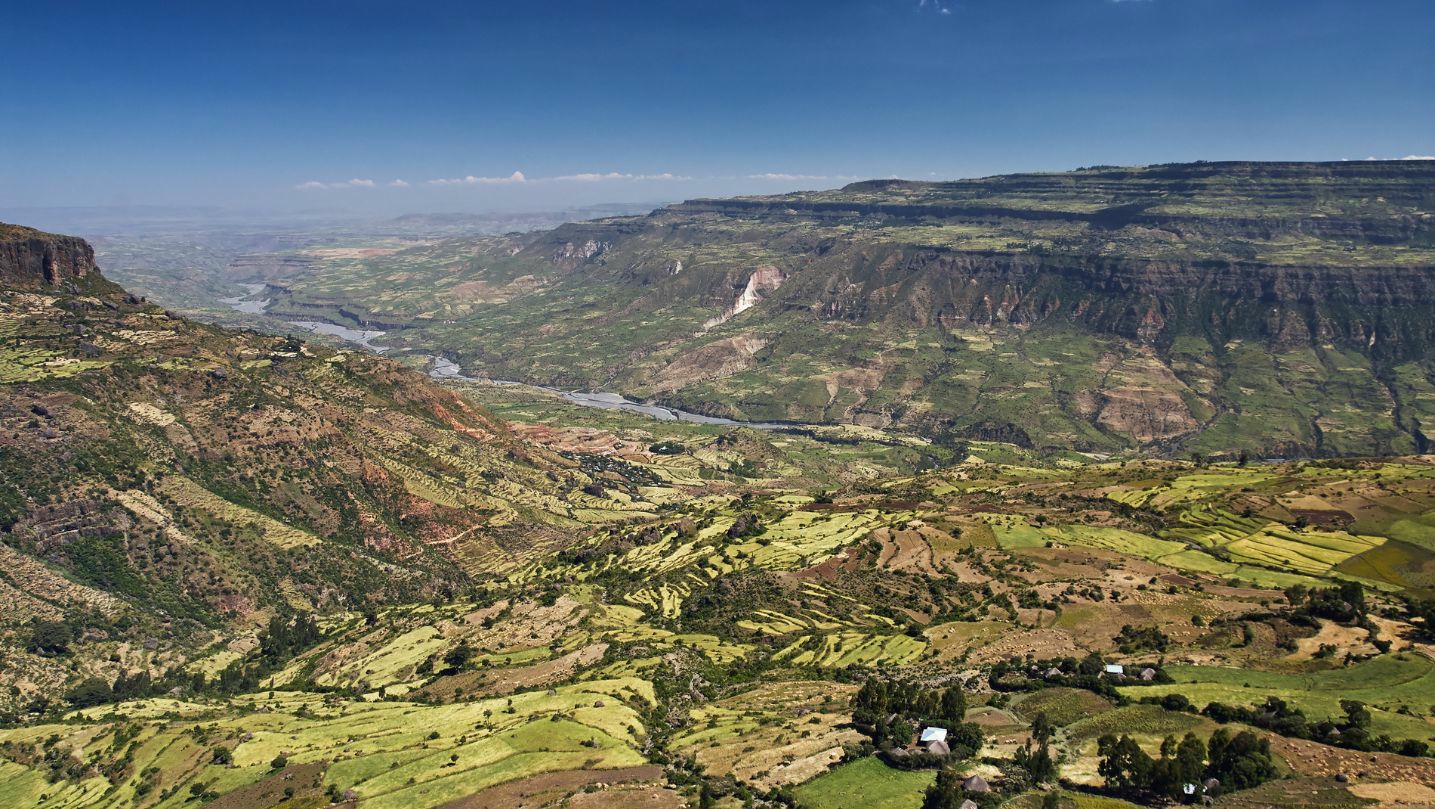
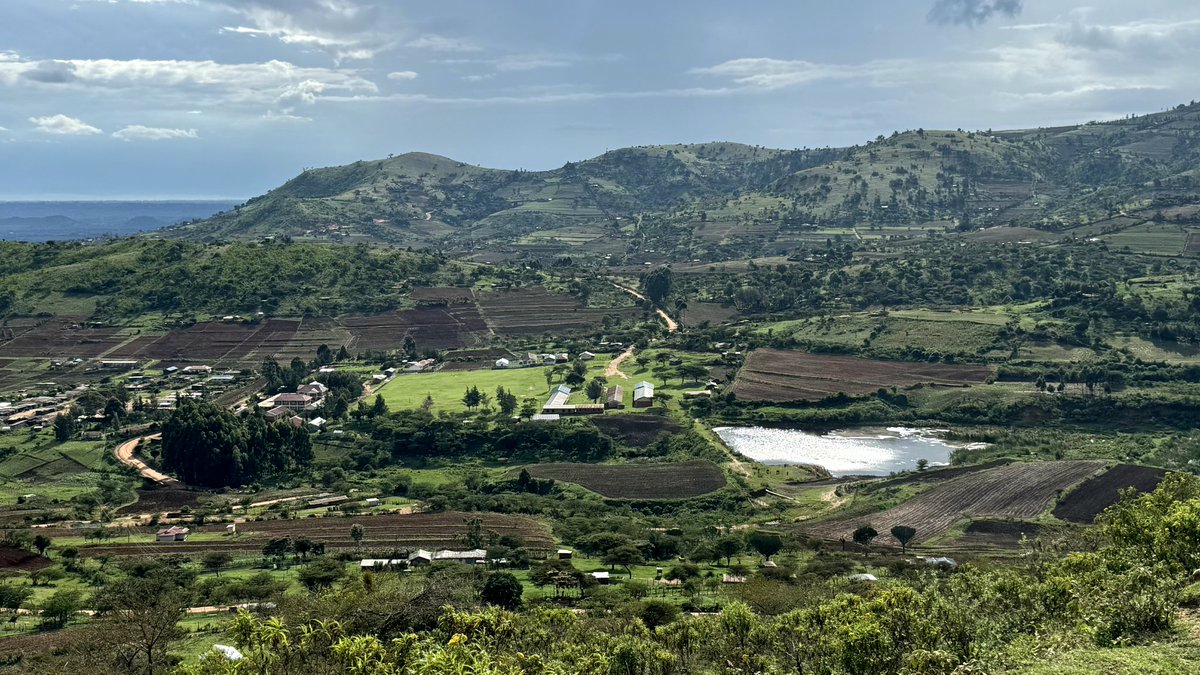
On request. Courses marked on request, including the market compliance and export business courses and some crop, flower and packhouse courses, are launched in order of client interest. Tell us what you need and how many people. Demand decides when they are scheduled.

Fees

Per Participant

Fees are per participant for the whole course, in Kenya shillings. Where an employer or exporter sponsors staff or a farmer group, registrations go on one invoice.

Course typeDurationFee (KES)
Farmer track awareness1 day5,000
Technical awareness or refresher1 day5,000
Export Preparedness1 day8,000
Intermediate (implementer)3 days13,000
Advanced5 days22,000

Partner-delivered courses. Courses delivered with a partner, such as first aid, may carry the partner's fee. In-house training at your premises is quoted separately. Contact us.

Delivered On-Site

Where you have a group large enough to fill a class, we come to you: your farm, packhouse or office.

Or at a Venue

Farmer classes run in the production counties, close to where farmers work; technical classes run in Nairobi and regional hubs.

English and Kiswahili

Farm-level material is delivered in the language the participants actually work in.

What's covered. We provide course materials, a writing pad and pen, and meals on class days: morning tea, lunch, and afternoon tea with snacks. Participants cover their own transport and, where needed, accommodation. Certificates are issued on successful completion of all modules, so participants commit to attending every module when they register.

Training Portal

Your Record, Held by You

Every class booked through the portal is on record from registration onward: who attended, which course, when, and who delivered it. On completion the certificate is issued from that record, numbered, and can be checked by anyone at any time.

Trainees sign in to see their own history and download certificates, including training a previous employer paid for. Employers register groups of staff on one invoice and receive attendance registers and certificates from the same record. Planned: NITA levy-reimbursement packs from the same record, once our NITA accreditation is issued.

Kenyan highlands farmland

Book a Class

See what is scheduled, or tell us the standard, the number of people and roughly where they are. Requests decide what we schedule next.

Request a Class

Don't see the course, place or date you need? Tell us. Requests are logged and reviewed together. What people ask for decides what we schedule next, and where.

No commitment. Even a rough headcount and a county are enough to start. We reply by email within one business day. If you have a group large enough to fill a class, choose on-site and we come to you.

Something went wrong sending that. Please email info@cleancutexports.com with the course, headcount and location.

Request Received

Thank you. We've logged what you're looking for and will be in touch about dates.

Consulting

From Trained to Certified

Training tells your team what the standard requires. Consulting is us working alongside you until the certificate is on the wall and the licence is in the file.

Certification Support

Getting to a Certificate

Most farms and groups fail their first audit on documentation and records rather than on practice. We work through the gap analysis, build the record system, close the non-conformances and get you audit-ready.

Single Farm Certification

GLOBALG.A.P. certification for an individual farm: gap analysis, documentation build, record systems, internal self-assessment, corrective actions and CB audit preparation.

Farmer Group Certification

Option 2 group certification: quality management system design, internal auditor development, member registration and the group record architecture a CB will accept.

Certification Body Liaison

CB selection, scheduling, scope definition and non-conformance close-out with the bodies operating in Kenya, including AfriCert, Bureau Veritas and Control Union.

Audit Readiness Review

A pre-audit pass over your system before the CB arrives: what an auditor will ask for, what you can actually produce, and what has to be fixed first.

Regulatory & Commercial

Licensing, Documentation and the Commercial Side

The work that sits between a compliant farm and a shipment that actually clears.

Licensing & Registration

KEPHIS farm registration, AFA-HCD horticulture licensing and industry association membership: application, documentation and follow-through.

  • KEPHIS farm registration for regulated destination markets
  • AFA-HCD licence application and renewal
  • Association membership and the access it carries

Export Documentation

The paperwork set that moves a consignment: phytosanitary certification, certificates of origin, KENTRADE single-window submissions and buyer documentation packs.

  • Document set design for a given destination market
  • Submission support and error correction
  • Training your own documentation staff to run it without us

Commercial Advisory

Services we are formalising for clients who need the numbers as well as the certificate.

  • Shipment profitability modelling: farmgate to FOB cost stack
  • Counterparty due diligence on buyers and agents
  • Grant and funding proposal preparation

Ad-Hoc Advisory

Hourly engagement for organisations that need a specific question answered rather than a full package, such as a standard interpretation, a record structure, an audit finding, a market requirement.

Pricing. Certification and licensing work is quoted as a fixed-price package once we know the scope: number of farms, standard, current state of records and target audit date. Advisory is available hourly. Tell us the situation and we will quote it.

Tell Us Where You Are Stuck

A failed audit, a licence that will not come through, a buyer asking for documentation you do not have. Start there.

Request a Consultation
Compliance Software

Records That Survive the Field

Compliance systems fail where the network does. Our software is built offline-first, for low-cost Android devices, in the places the records are actually created.

Traceability

FHEC Trace

A traceability application for produce exporters. It records the chain from farm and grower through harvest, collection, packing and consignment, so a carton can be tied back to the block it came from and the people who handled it.

It runs offline. Records are created on the device, held locally, and synchronised when a connection returns, because the collection point, the orchard and the loading bay are where the data is generated, and none of them have reliable data coverage.

Cold-chain handling is recorded at each step, with variety-specific temperature thresholds drawn from the COLEAD and EU good practice guidance, and support for the temperature logger and tracker formats already in use in the trade.

Current status: in production use, configured for avocado. The underlying data model is crop-agnostic; other crops are a configuration exercise rather than a rebuild. Ask us for a demo against your own operation.

Packhouse operations
Online Training

The Training Platform

Not every course needs a classroom, and not every worker can get to one. The training platform is the online side of our training: courses delivered on a phone or computer, with each person's progress and completion tracked.

The platform is in build and not yet live. Classroom courses are listed under Training, and the live training portal (booking, records and certificates) is under Training.

Classroom Training
Processing line

Offline First

Records are created and held on the device, then synchronised. No connection required at the point of work.

Built for the Standards

Record structures designed against GLOBALG.A.P., KS 1758, KEPHIS and food safety scheme requirements.

Your Data

Tenant-isolated, exportable, and portable. You are not locked into us to keep your own compliance history.

See It Against Your Own Operation

We would rather demo with your crop, your collection points and your paperwork than a canned dataset.

Request a Demo
Training Portal

Your Record, Wherever You Work Next

Training you have completed belongs to you, not to the employer who paid for it. The portal is live: sign in and retrieve it yourself.

For Trainees

Sign in and retrieve your own attendance history and certificates for every Clean Cut course you have completed, including training paid for by a previous employer.

  • Full attendance and completion history
  • Downloadable certificates
  • A record that moves with you between employers

For Employers

Register and pay for a group of staff in one go, and receive the records an auditor asks for, issued from the same system, not reconstructed from paper.

  • Signed attendance registers and certificates by class
  • Planned: record sets for NITA levy reimbursement (once NITA-accredited)
  • One invoice per company registration

For Certification Bodies

Every certificate carries a unique number. An auditor confirms it is genuine (name, course, dates, status) at training.cleancutexports.com/verify, without contacting our office.

Live Now

Browse upcoming classes, register and pay, retrieve your records and certificates, or verify a certificate. Sign in with the email address you registered with. A sign-in link is sent to you, no password to remember.

Sign In Upcoming Classes

Note on personal data. Training records identify individuals. They are held under the Kenya Data Protection Act 2019, with access limited to the record holder, the employer who sponsored the training, and our staff. The full notice is at training.cleancutexports.com/privacy.

Your Records Are Waiting

Completed a Clean Cut course? Your attendance history and certificates are already in the portal.

Sign In to the Portal
Exports

End-to-End Avocado Export

From the tree to the buyer's warehouse, we manage sourcing, processing, cold-chain logistics, and export compliance.

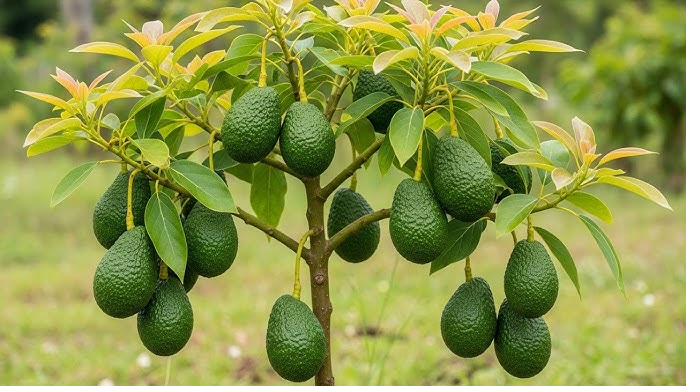
Avocado tree heavy with fruit
Step 1

Sourcing & Procurement

We buy directly from smallholder farmers across Kenya's prime avocado counties. Our field team builds long-term relationships with growers, provides harvest timing guidance, and ensures only export-quality fruit enters our supply chain.

Farmers know our prices upfront and know we'll follow through. That consistency is what builds a reliable supply base, not one-time deals or broker middlemen.

Varieties: Hass, Fuerte
Regions: Trans-Nzoia, Central Highlands, Rift Valley
Approach: Direct purchase, long-term farmer partnerships
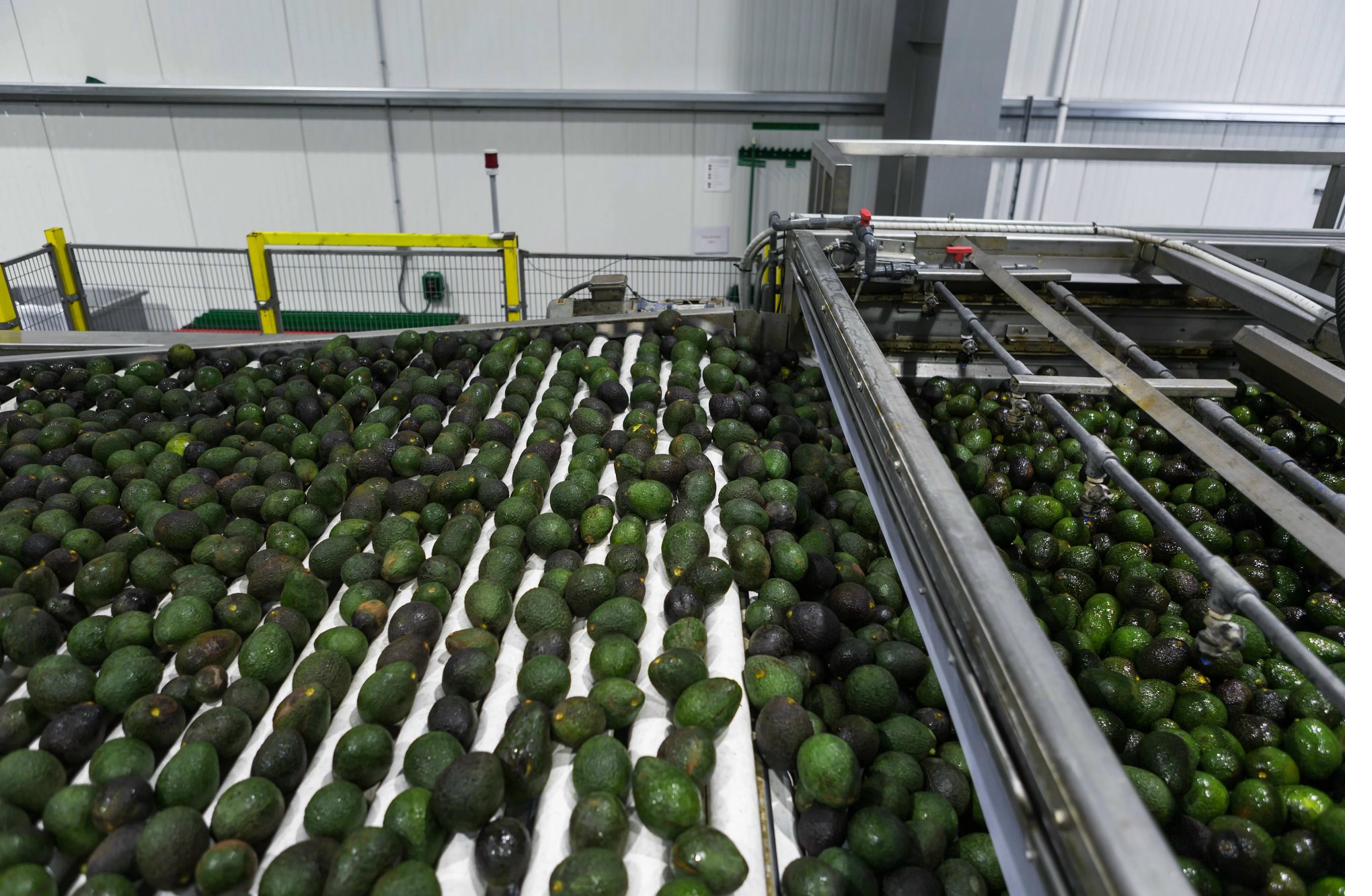
Avocados moving through industrial processing line
Step 2

Processing & Packing

After procurement, fruit moves to certified packhouse facilities where it's washed, sorted by size and grade, and packed to buyer specifications. We run full traceability: every carton can be traced back to the farm it came from.

Quality control happens at every stage. Fruit that doesn't meet export grade gets diverted to domestic markets, not blended into export shipments. The standard is the standard.

Standards: KEPHIS-certified, phytosanitary compliant
Packing: 4kg cartons standard, custom specs available
QC: Size grading, visual inspection, dry matter testing
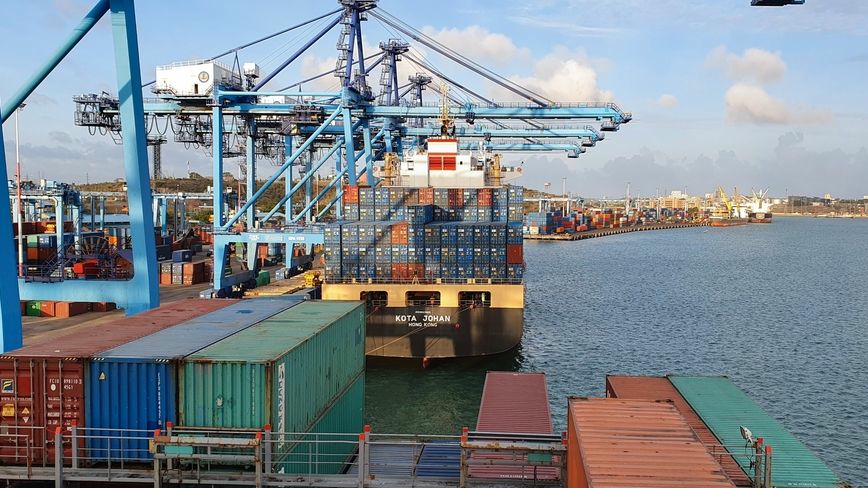
Container ship loaded for export
Step 3

Logistics & Export

We manage cold-chain logistics from packhouse to destination: refrigerated transport, customs clearance, phytosanitary certification, and shipping documentation. Buyers receive their fruit on time with all paperwork in order.

Sea freight moves through the Port of Mombasa in reefer containers for volume shipments. For premium market windows where timing matters, we route through JKIA by air freight. We match the logistics to the market opportunity.

Sea Freight: Reefer containers via Port of Mombasa
Air Freight: JKIA for time-sensitive premium windows
Documentation: Phytosanitary certificates, customs clearance, bill of lading
Where We Ship

Export Markets

We serve buyers across three continents, with the flexibility to match seasonal demand and market pricing windows.

🇪🇺

Europe

Premium Hass and Fuerte avocados for EU retail and wholesale. The largest established market for Kenyan avocado exports.

🇮🇳

India & Asia

Rapidly growing demand for quality avocados across South and Southeast Asian markets. A major opportunity for Kenyan exporters.

🌍

Middle East

Year-round supply for Gulf and Levant importers, where Kenyan avocados compete on quality, proximity, and seasonal timing.

KEPHIS Certified

All exports cleared through Kenya Plant Health Inspectorate Service with proper phytosanitary documentation.

Cold-Chain Managed

Temperature-controlled handling from packhouse through transport and shipping. No breaks in the chain.

Full Traceability

Every carton traced back to source. Complete documentation for buyer compliance and market access requirements.

Hass avocado orchard
For Farmers

Sell Your Avocados to Export Markets

If you grow Hass or Fuerte avocados in Kenya, we want to work with you. We offer fair, transparent pricing and reliable purchasing, so you can plan your season with confidence, not uncertainty.

Talk to Our Team
About Us

Our Story

We started CCEC because Kenyan farmers deserve better, and international buyers deserve a supplier they can count on.

The Vision

Why We Started This Company

Kenya is one of the world's largest avocado producers. The country's highland regions (volcanic soils, equatorial sun, elevations above 1,500 meters) produce fruit that rivals anything grown anywhere. But for most Kenyan smallholder farmers, the export market has been out of reach. They sell locally at prices that barely cover the cost of growing, while their fruit commands two to three times that value overseas.

We founded Clean Cut Export Company with a vision: that farmers growing world-class avocados deserve fair prices that sustain their families and their land year to year, and that international buyers deserve a supplier who delivers only premium quality, every time.

That's the whole idea. Buy well, pay fairly, handle the fruit right, and deliver what we promise. Everything we do follows from that.

Rolling agricultural hills in Kenya
The journey of Kenyan avocados from highland farms to international ports
How We Work

Direct Sourcing, No Shortcuts

Our team works directly with farming communities across Kenya's avocado-growing regions: Trans-Nzoia, the Central Highlands, and the Rift Valley. We build long-term relationships with growers, not one-off transactions. Farmers know what we'll pay before they harvest, and they know we'll show up when we say we will.

On the export side, every avocado we ship goes through proper washing, grading, and packing to meet international phytosanitary standards. We manage cold-chain logistics from packhouse to port, and we handle customs clearance, KEPHIS certification, and shipping documentation so buyers receive exactly what they ordered, when they expected it.

There are no shortcuts in fresh produce export. The fruit is either handled correctly or it isn't. We handle it correctly.

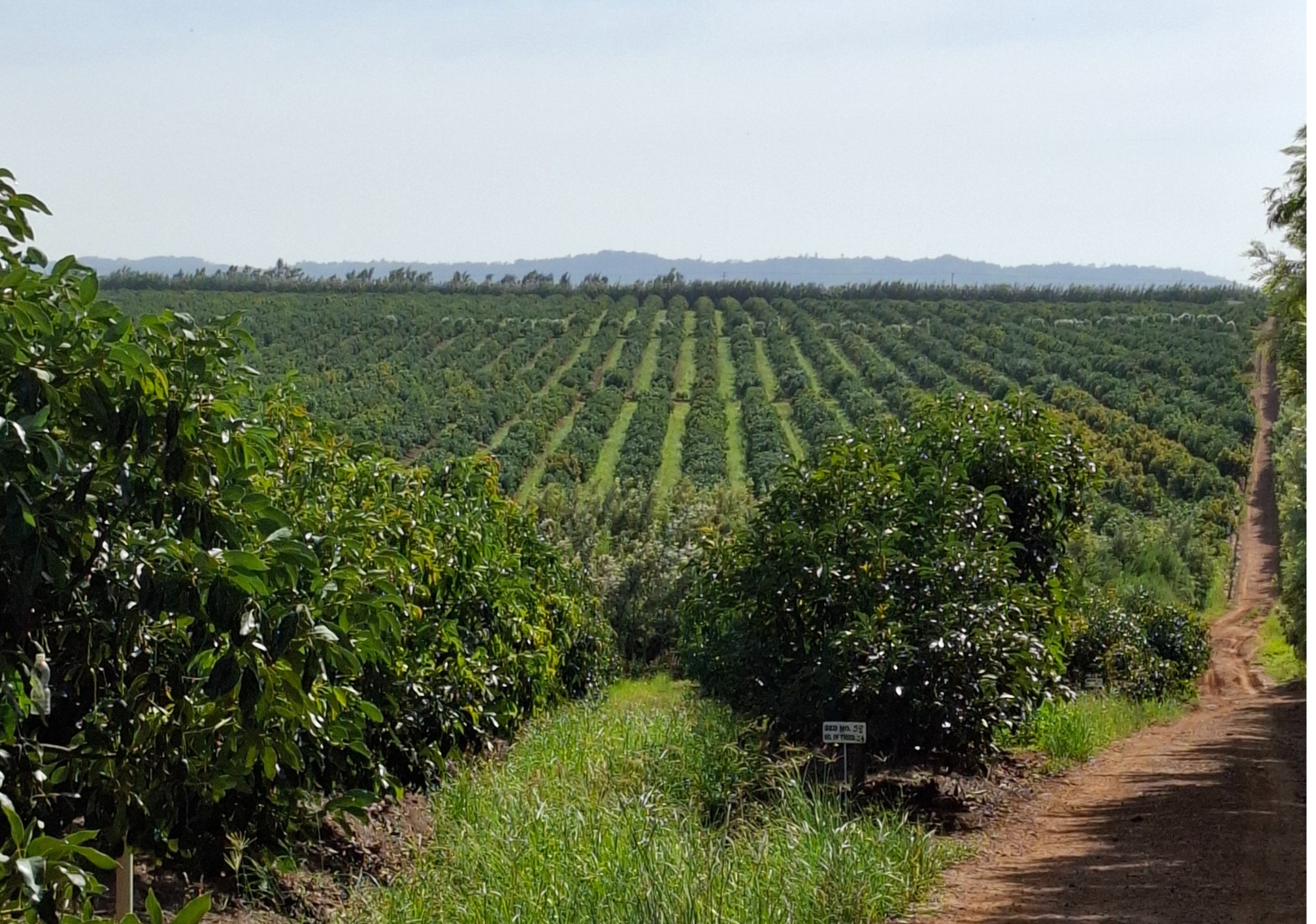
Mature avocado orchard stretching to the horizon
What Drives Us

Our Values

These aren't slogans. They're how we make decisions every day.

Fair Prices for Farmers

Farming is hard. Farming without knowing whether you'll cover your costs is worse. We pay prices that let farmers invest in their land and plan for next season, not just survive this one.

Premium Quality Only

We don't ship substandard fruit to meet a volume target. Every avocado we export meets the grade our buyers expect. If the fruit isn't right, it doesn't go in the box.

Reliability

Buyers need consistent supply, on time and on spec. Farmers need a buyer who shows up when promised. We build our operations around keeping both commitments, season after season.

Why Kenya

Ideal Growing Conditions

Kenya sits on the equator with highland elevations, volcanic soils, and two rainy seasons per year, conditions that produce avocados with exceptional oil content, flavor, and shelf life.

The country is already one of Africa's top avocado exporters, with hundreds of thousands of newly planted trees entering production over the coming years. CCEC is positioned in the heart of this growth, with relationships across the regions where the best fruit is grown.

Our primary varieties are Hass, the global standard for premium avocados, and Fuerte, which commands strong demand in European and Middle Eastern markets.

Aerial view of Kenya's Rift Valley farmland

Work With Us

Whether you need training, certification support, or a supply partner, let's talk about what CCEC can do for you.

Get in Touch
Contact

Let's Talk

Booking a class, stuck on a certification, looking at the software, or buying fruit, reach out and we'll get back to you.

Contact Information

LocationSyokimau, Machakos County, Kenya

We respond to all inquiries within one business day. If you are booking training, tell us the standard, the number of people and roughly where they are, and we will come back with dates and a quotation.

Send a Message

Something went wrong sending that. Please email info@cleancutexports.com directly.

Message Sent

Thank you for reaching out. We'll be in touch within one business day.

Syokimau, Machakos

Company office and coordination centre for training, advisory and export operations.

Trans-Nzoia & Rift Valley

Primary sourcing regions with direct farmer relationships across multiple counties.

Delivered Countrywide

Training and advisory are delivered wherever the client is, on-site or at an arranged venue.

Privacy

Privacy Notice

Clean Cut Exports Ltd (PVT-L51DYEVL), Syokimau, Machakos County, Kenya. How we handle personal data on this website and in our training records system, under the Data Protection Act, 2019. Last updated 22 September 2026.

This website. The contact and class-request forms collect the details you type (name, email, phone, organisation, message) so we can reply. They are stored by our hosting provider (Netlify) and, for class requests, in our training records system, and are used only to respond to you and plan classes. We do not run advertising trackers.

Training registration and records. When you or your employer register for a class we collect full name, national ID number, employer or farmer group, your place in the export value chain and the products you work with, email and phone. The national ID number is how a training record follows a person between employers. Date of birth and gender are optional and used only for demographic reporting; gender is sensitive personal data and is collected only with your consent. Payment details are limited to the payer's name, contact details, M-Pesa reference and, for companies, KRA PIN.

What we do with it. Run the class (seats, joining instructions, invoicing, certificates); keep your training record so you, or an employer or auditor you authorise, can confirm what you completed; tell you when a refresher is due; and meet Kenyan legal requirements (KRA eTIMS invoices and tax records). Planned, once we are NITA-accredited: documentation employers need for NITA levy reimbursement. Anyone with a certificate number can check the holder's name, course, dates and validity on our verification page, nothing else. We do not sell personal data. Processors acting on our instructions: Supabase (database, hosted in its Mumbai, India region), Netlify (hosting), Zoho (email), Safaricom (M-Pesa).

Retention and your rights. Training records and certificates are kept for at least seven years, in line with tax record retention; feedback is anonymised after two years. You may ask what we hold about you, have it corrected or deleted where we no longer need it, and withdraw consent for optional data at any time: write to info@cleancutexports.com, or sign in to the training portal to see your own record. Complaints may be made to the Office of the Data Protection Commissioner (odpc.go.ke). The full notice for the training records system is at training.cleancutexports.com/privacy.